
THE ESSENTIAL
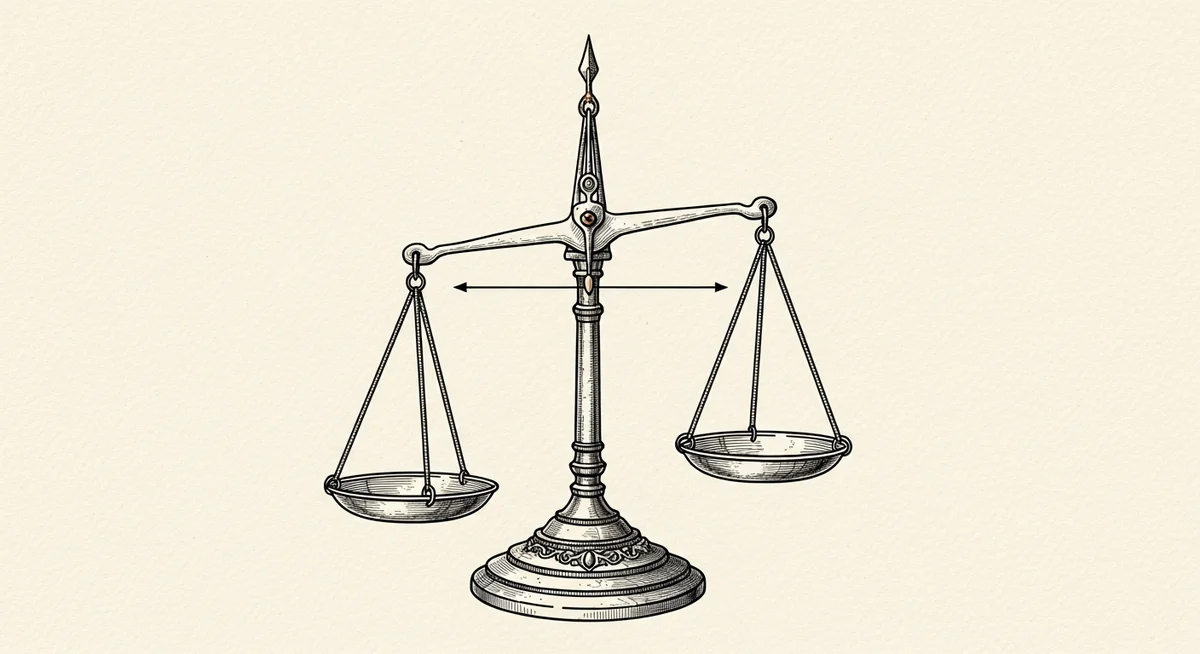
When exploring the mechanics of sports wagering, one of the first questions you might ask is: What Is a Push in Betting? A push represents a structural tie between your wager and the bookmaker’s line, resulting in a complete refund of your risked capital.
- A push returns 100% of your stake with zero commission or house vig deducted.
- This outcome is only possible on whole-number markets, such as a 3-point point spread or a 45-point game total.
- In parlay cards, a push simply removes that specific leg, reducing a 3-team parlay to a standard 2-team parlay.
While a push protects your bankroll by preventing a direct loss, it also means your capital was locked up for the duration of the event with a 0% return on investment.
What Is a Push in Betting?
In sports wagering, a push is the official designation for a bet that has no mathematical winner or loser. When the final score of an event lands precisely on the line set by the oddsmakers, the transaction is graded as a tie. The sportsbook voids the contract and returns your exact stake to your account balance. This ensures that you do not lose any money, but you do not make any profit either.
To understand how this mechanic impacts your betting bankroll, consider these key structural components:
- Capital Preservation: You receive your initial stake back in full, meaning your net return is 0.00.
- Vig Removal: The bookmaker does not collect the standard juice or vig, which is typically 10% on standard spread wagers.
- Void Status: The ticket is marked as void, pushed, or tied in your account transaction history.
Is a Push the Same as a Tie?
For the bettor, a push is the practical equivalent of a tie between your prediction and the sportsbook’s line. However, a push refers specifically to the grading of the betting ticket, while a tie refers to the actual athletic outcome on the field. The two concepts overlap when a game ends in an actual tie and you placed a wager that is settled based on that outright result.
In leagues like the National Football League, regular-season games can end in an actual tie after a 10-minute overtime period. If you placed a moneyline wager on either team to win, that actual tie results in a push for your ticket. Postseason games do not have this issue, as they continue playing until a winner is determined.
In contrast, a point spread bet can push even if one team wins the game. For instance, if a team wins by exactly seven points on a 7-point spread, the game has a clear winner, but your wager is graded as a tie.
Do You Lose Your Bet If It’s a Push?
You do not lose your money when a wager pushes. The bookmaker cannot legally retain your stake if neither side of the proposition is mathematically satisfied. Independent regulatory bodies, such as the UK Gambling Commission, establish strict rules ensuring that sportsbooks must return player funds in the event of a void or pushed contract.
This protective mechanic means that a push acts as a built-in safety net for bettors who trade on whole-number lines. Because your capital is returned, a push has a completely neutral impact on your overall profit margin. It simply means your risk exposure for that specific event is reduced to zero after the final whistle.
Organizations like GambleAware advise keeping accurate records of all returned stakes to ensure you maintain a clear picture of your actual risk profile over time. A push should never be counted as a loss, as doing so would artificially deflate your winning percentage statistics.
How a Push Works on Different Bet Types
Different betting markets handle the possibility of a push in distinct ways. Understanding these subtle differences is essential for managing your bankroll effectively across various sports.
On a Point Spread
Point spreads use whole numbers to balance the action between favorites and underdogs. If the favorite wins by the exact margin of the spread, a push occurs. Consider these steps for how a point spread push resolves:
- Identify the Line: You back a favorite at exactly -7 points.
- Analyze the Score: The favorite wins the game with a final score of 24 to 17.
- Calculate the Margin: The margin of victory is exactly seven points (24 minus 17).
- Receive the Refund: Because the margin equals the spread, the bet is graded as a push, and your 100 dollar wager is refunded.
On a Total (Over/Under)
Totals markets allow you to bet on the combined score of both competing teams. If the combined points or runs land exactly on the whole number specified by the bookmaker, the bet pushes. The mechanics of a totals push include:
- The Line: You wager on the under for a game with a total set at 45 points.
- The Outcome: The final score ends at 28 to 17.
- The Sum: The total points scored equal exactly 45 (28 plus 17).
- The Resolution: Since the total is neither over nor under, your stake is returned.
On a Moneyline
Moneyline wagers require you to select the outright winner of a match. A moneyline push can only occur in sports where the match itself can end in a draw, and the bookmaker only offered a two-way market. The typical rules for a moneyline push are:
- Two-Way Market: You bet on Team A to win at a standard bookmaker.
- The Draw: The game ends in a tie after all regulation and extra periods are completed.
- The Payout: Because no winner exists and “Draw” was not a betting option, the contract is voided, and your money is refunded.
On a Parlay or Teaser
When you build a parlay, you combine multiple individual selections into a single ticket. If one of the legs in your parlay pushes, the entire ticket does not lose. Instead, the sportsbook removes the pushing leg from the ticket, reducing the payout to match the remaining active legs.
For example, a 3-team parlay simply degrades into a standard 2-team parlay. The odds are recalculated based on the remaining selections, protecting you from losing the entire wager due to a single tied outcome. For teaser bets, the rules are similar, though some sportsbooks have specific house rules regarding ties on specialty cards.
Sports Betting Push Examples
Let us examine how different sports handle whole-number lines across various popular markets:
- Basketball Point Spread: You bet on the Boston Celtics at -6 points. The Celtics win 106 to 100, meaning they won by exactly six points, triggering a push.
- Baseball Game Total: You take the over on a game total of 8 runs. The final score is 5 to 3, resulting in exactly eight runs and a refunded stake.
- American Football Player Prop: You bet on a quarterback to throw over exactly 2 passing touchdowns. He finishes the game with two passing touchdowns, resulting in a push.
Ways to Avoid Pushing a Bet
If you prefer decisive wins or losses and want to eliminate ties completely, you can adjust your betting selections. This is a common approach for traders who prefer to avoid capital lockups.
Here are the primary strategies to avoid a push:
- Target Half-Point Lines: Seek out lines that end in 0.5, often referred to as the hook. A point spread of -3.5 or an over/under of 47.5 makes a push mathematically impossible because teams cannot score half points.
- Use Three-Way Moneylines: In sports like soccer, choose three-way lines that explicitly offer “Draw” as a selectable outcome. If you bet on a team to win and it draws, you lose, but if you bet on the draw, you win.
- Shop Across Sportsbooks: Different operators set slightly different lines for the same event. You can check The Odds Desk resources to understand how shopping for lines allows you to find half-point variations.
Frequently Asked Questions
Are there pushes in soccer?
Yes, but they depend on the specific market you select. If you bet on a standard three-way moneyline, a draw is a losing ticket if you backed a team. However, if you select a “Draw No Bet” market, a tie in the match will result in a push and a full refund of your stake.
Is a push ever a good result?
While a push does not generate profit, it is a highly favorable outcome compared to a loss. It preserves your bankroll, which is a core tenet of long-term risk management. If you feel overwhelmed by tracking your wagers or managing your sports betting activity, organizations like GamCare provide excellent free tools to help you maintain control.
How should a push be handled for your records?
Proper record-keeping is vital for analyzing your betting performance over time. You should categorize your results using these standards:
- Record Structure: Track your history in a Win-Loss-Push format, such as 52-41-7.
- ROI Calculations: Exclude push stakes from your return on investment formulas to avoid distorting your actual yield.
- Bankroll Management: Re-enter the refunded capital into your active bankroll immediately for future calculated risks.
- Platform Audits: Always verify your account history against the platform’s privacy policy and terms of service to ensure every voided wager was credited correctly.