WHAT YOU NEED TO KNOW
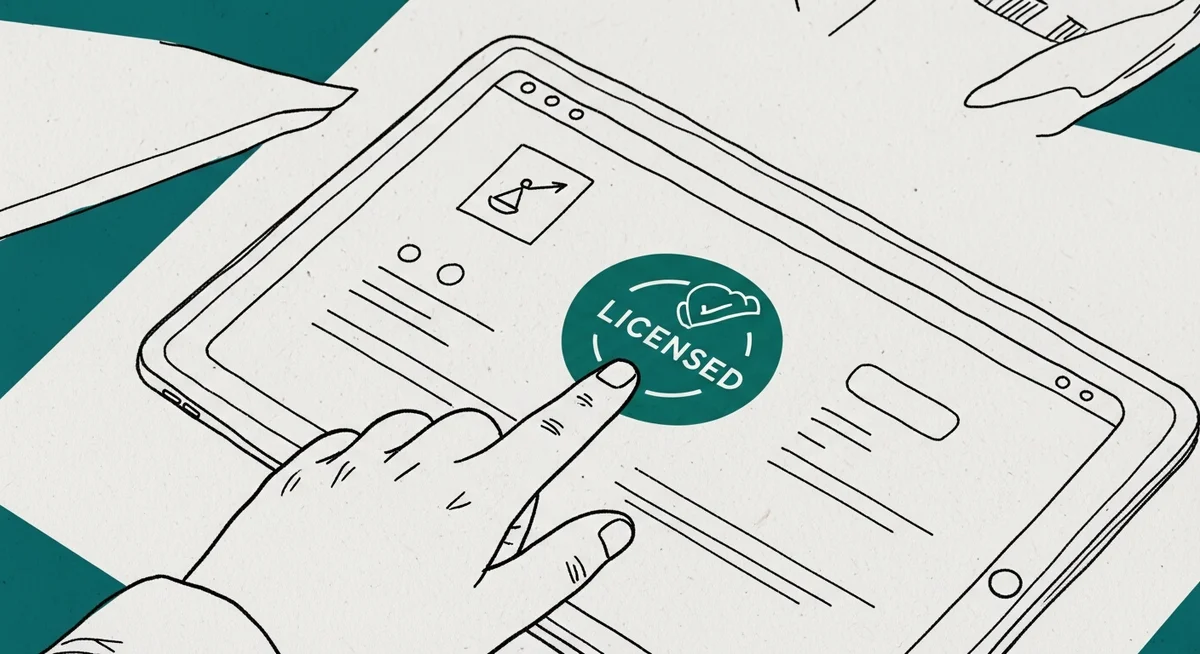
Checking a betting operator’s credentials is the single most effective way to protect your funds and guarantee fair payout margins. Learning how to check if a bookmaker is licensed will help you avoid rogue platforms that operate without legal oversight.
- Unlicensed bookmakers operate with zero regulatory oversight, leaving players with 100% exposure to unpaid winnings.
- The UK Gambling Commission maintains a 100% complete public register of all active corporate and personal licenses under its jurisdiction.
- Licensed operators must classify player fund protection into three distinct tiers: basic, medium, or high.
A valid logo in the website footer is easily faked, meaning you must verify the active license status directly on the official regulator’s database to ensure true safety.
Why You Should Only Bet with Licensed Bookmakers
Unlicensed bookmakers operate without any margin restrictions or consumer protections. A licensed bookmaker typically runs an average hold, or bookmaker margin, of 4% to 8% on major sports markets. In contrast, unregulated platforms frequently inflate this margin to 15% or higher, which drastically worsens the mathematical payout percentage for bettors. According to data tracked by the UK Gambling Commission, licensed operators are legally bound to formal dispute-resolution frameworks to protect consumers.
If an unlicensed bookmaker confiscates your deposit or refuses to pay out winnings, you have zero legal recourse to recover your money. Licensed bookmakers are also subject to strict solvency rules, requiring them to keep player deposits in accounts completely separate from their operational funds. This structural separation ensures that your balance remains secure even if the business faces financial distress. You can read more about operational standards and safety structures by visiting the resource archives at The Odds Desk.
Step-by-Step: How to Check if a Bookmaker Is Licensed
Verifying the legal status of an online betting platform requires a systematic approach. Rogue operators often attempt to mimic the appearance of legitimate sites by pasting copied graphic elements into their layouts. Following a strict verification protocol ensures you do not fall victim to these fraudulent platforms.
1. Locate the License Details in the Website Footer
- Scroll to the very bottom of the bookmaker homepage.
- Identify the official regulatory seal, such as the logo of the UK Gambling Commission or the Malta Gaming Authority.
- Locate the written corporate information, which must include the registered company name, address, and license number.
- Write down the license number, which is usually a 5-digit or 6-digit reference code.
2. Cross-Reference with the Official Regulator’s Register
- Navigate directly to the official website of the regulatory body named in the footer.
- Access their public register or license verification tool.
- Input the recorded license number or the exact corporate name into the search engine.
- Verify that the register shows the status as active, rather than suspended, expired, or revoked.
Official Sports Betting Regulatory Bodies by Region
Different jurisdictions employ different regulatory standards. While some authorities impose rigorous audits and strict player protection rules, others function primarily as tax jurisdictions with minimal oversight. When reviewing your options, you should also consider reading the legal notice parameters of sports betting platforms to understand how jurisdictional boundaries affect your local consumer rights.
| Region | Regulatory Body | Verification Method | Authority Level |
|---|---|---|---|
| United Kingdom | UK Gambling Commission | Public Register Search | High (Statutory) |
| Malta / EU | Malta Gaming Authority | MGA Licensee Register | Medium-High |
| Gibraltar | Gibraltar Gambling Commissioner | Official Licensee List | High (Statutory) |
| Curacao | Curacao Gaming Control Board | Digital Seal Verification | Low-Medium |
Warning Signs of an Unlicensed or Fake Bookmaker
Fraudulent operators rely on superficial credibility to deceive players. However, they almost always fail to implement the deeper operational infrastructures required by legitimate licensing bodies. Spotting these discrepancies early protects your capital from bad actors.
- Static or unlinked logos: Fake sites display the images of regulators in their footers but do not link them directly to the official verification portals.
- Unusual payment methods: A heavy reliance on cryptocurrencies without options for traditional debit cards, bank transfers, or verified e-wallets often indicates a lack of banking relationships.
- Unrealistic bonus terms: Promotions offering massive sums with wagering requirements exceeding 50x are designed to trap player deposits permanently.
- No physical address: The platform fails to list a verifiable corporate registration number or physical headquarters address in its terms of service.
Additional Security Checks for Safe Betting
An active license is the primary safety requirement, but it is not the only standard you must check. Legitimate sportsbooks implement modern security protocols to guard your personal and financial information. Combining license verification with technical security checks minimizes your overall risk.
SSL Encryption and Secure Payment Methods
All modern, regulated betting sites must protect data transmissions using Transport Layer Security. You can confirm this by checking for the padlock icon next to the URL, which indicates an active SSL certificate. If your browser flags a website connection as insecure, do not enter any personal data or payment details. Regulated sites only partner with trusted payment gateways, meaning your deposits are handled via secure, PCI-compliant pathways.
Clear KYC and Responsible Gambling Policies
Licensed operators are legally mandated to perform Know Your Customer checks to prevent underage gambling and money laundering. While these identity verifications can feel tedious, a sportsbook that permits you to deposit and withdraw large sums without verifying your identity is likely operating illegally. Furthermore, legitimate bookmakers integrate robust responsible gambling tools. The leading support charity GambleAware notes that licensed operators must provide players with access to mandatory limit-setting tools, while data from GamCare suggests that access to robust self-exclusion tools significantly assists individuals in managing their gambling behaviors safely.
How to Report an Unlicensed Gambling Site
If you encounter a platform that is operating illegally or falsely claiming regulatory approval, reporting it protects the wider betting public. Regulators actively investigate unlicensed operations to protect market integrity.
- Collect evidence by taking screenshots of the false license claims, the site footer, and any transactional emails.
- Submit an anonymous report directly to the relevant authority, such as the UK Gambling Commission through their online reporting portal.
- Contact national cyber security agencies or local consumer rights organizations to flag the domain as fraudulent.